Join Our
Newsletter
Join Our
Newsletter


Most business leaders start the day with a plan and often end it wondering where the time went.
Client demands, staff questions, compliance pressures and operational issues quickly take over, pushing longer-term thinking to the margins. Strategic projects tend to be the first to get postponed, not because they aren’t important, but because either there never seems to be the right moment to step back and reassess how the business operates or because there are more important activities to focus on.
According to Clarity chief financial officer Rory Whelan, that pattern is becoming one of the biggest risks facing organisations across Jersey.

Automation and artificial intelligence are no longer experimental technologies reserved for global corporates.
They are now practical tools that businesses of all sizes can use to reduce manual work, cut errors and operate more efficiently.
From onboarding new clients to managing documents, approvals and reporting, automated systems take repetitive tasks out of human hands and ensure work continues smoothly and consistently. Rory Whelan, chief financial officer at Clarity.
Unlike manual processes, technology doesn’t forget steps, misfile documents or rekey information incorrectly. “When data is entered manually, small mistakes can multiply as it moves through the business,” Rory explains. “Automation stops that at source. It also means processes can run around the clock, which gives teams breathing space to focus on higher-value work.”
The result, he says, is not just cost efficiency but resilience. Businesses that automate core processes are better equipped to scale, adapt and respond to change without constantly adding headcount or increasing pressure on staff.
Despite the growing interest in AI, Rory is clear that technology alone is never the answer.
At Clarity, projects do not start with a product demonstration or software pitch. They begin with understanding how the business actually works.
Only once those challenges are clear does the team design a solution, using technology as an enabler rather than a distraction. That approach, Rory says, is why automation initiatives succeed rather than becoming expensive, underused systems.
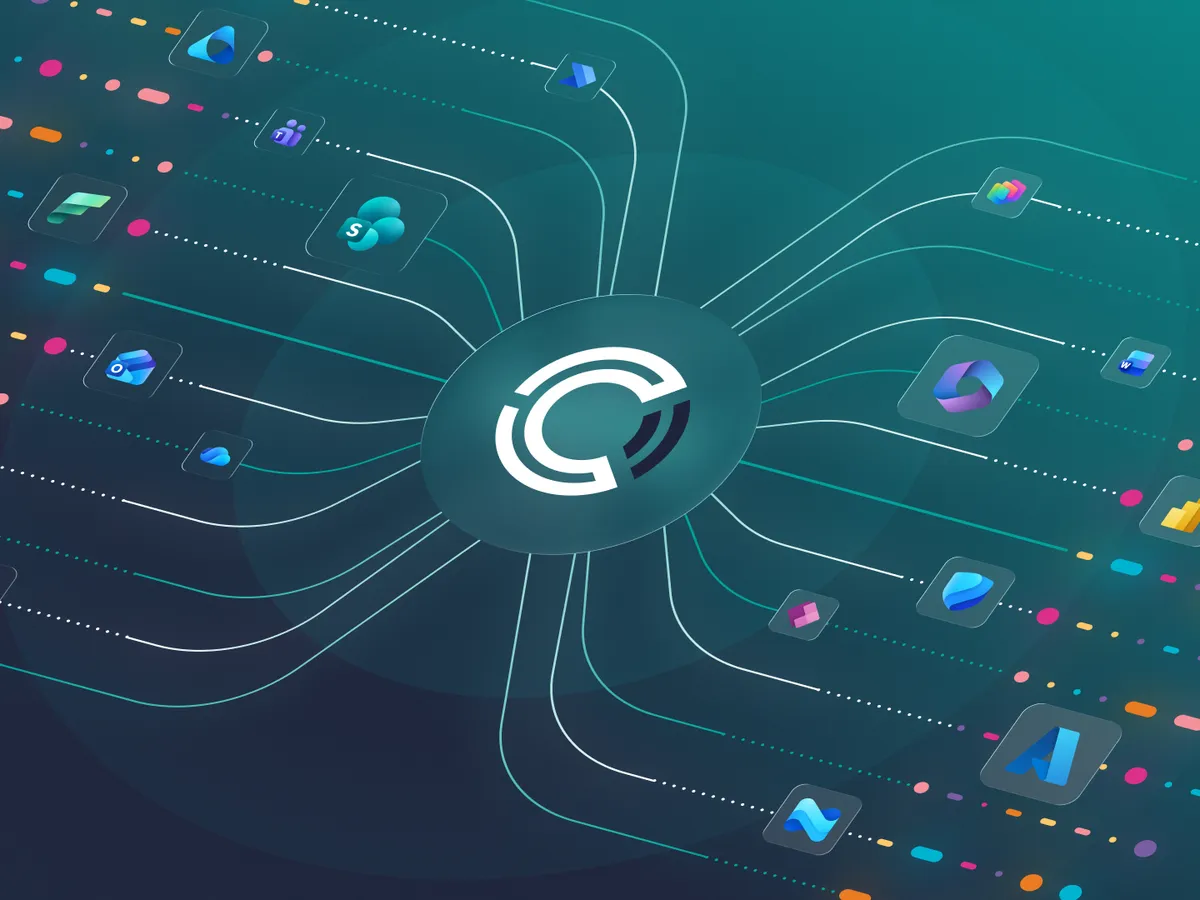
One platform in particular that is attracting strong demand across Jersey is M-Files. Often described as just a document management system, Rory believes that label significantly understates its capability.
“The software is actually built around metadata and AI, and M-Files automates how information is captured, organised and used across the business,” he says.
It can verify and compare identification documents, automate onboarding workflows, trigger approvals and allow staff to search instantly across contracts and records for specific clauses or information.
Secure client portals also enable customers to upload documents directly, reducing email traffic and delays.
“For regulated sectors such as financial and professional services, the compliance and governance benefits are huge,” Rory says. “But we’re seeing the same efficiency gains in hospitality, retail and other sectors too.”
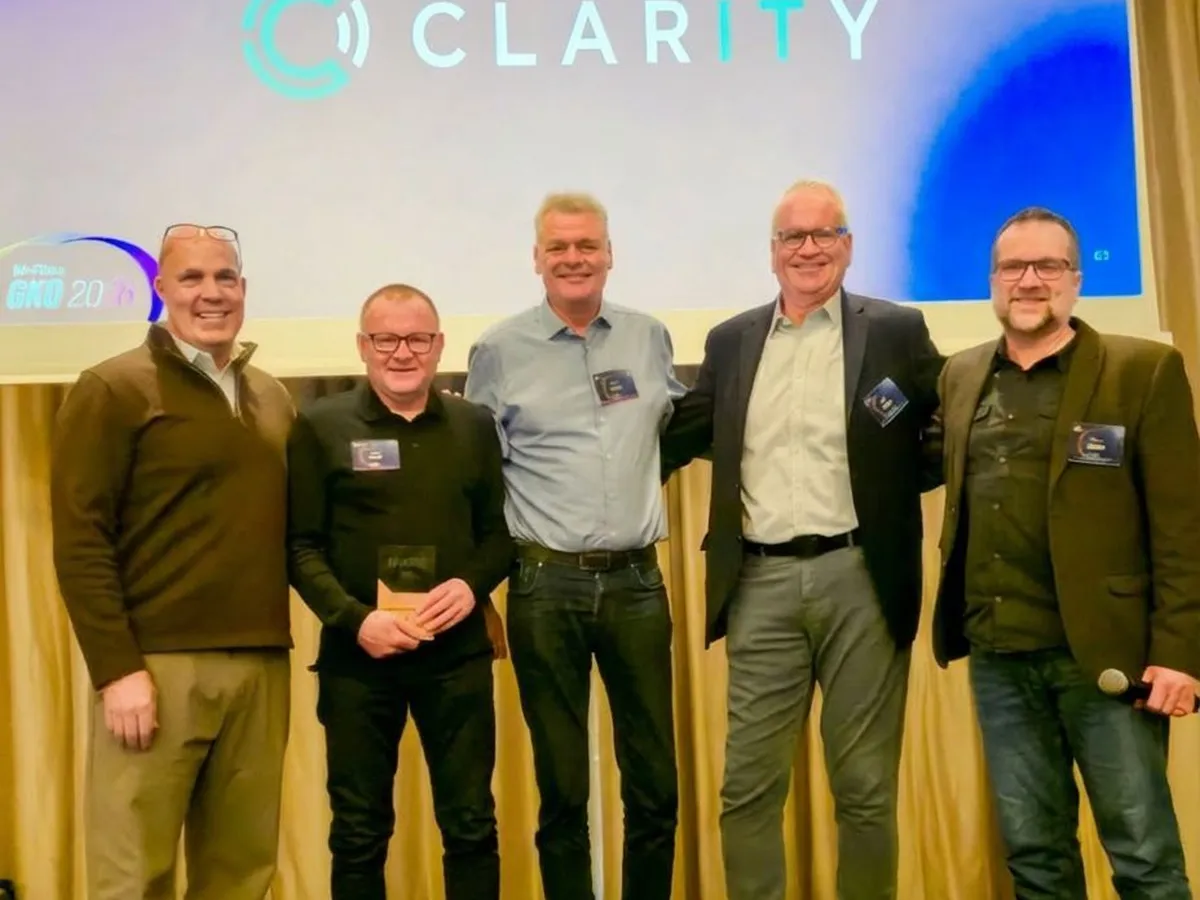
Importantly, the system is designed to be intuitive. Staff don’t need to be highly technical to use it, and Clarity, which has just been awarded the UK & Ireland partner of the year by M-Files, provides training and ongoing support to ensure the technology delivers long-term value.

For many organisations, the main barrier to transformation is timing rather than ambition. Investment decisions can be difficult when budgets are tight or when the return feels uncertain.
That’s where Rory says that the Jersey Better Business Grant has made a real difference.
The scheme offers up to 50% matched funding for projects worth up to £150,000 (up to £75,000 matched) helping businesses invest in automation, AI and productivity improvements sooner than they would otherwise have been able to.
“We’ve worked with a number of businesses that used the grant to push ahead with transformation plans that were already on their radar,” Rory says. “It reduces risk and allows organisations to invest with confidence.”
The benefits, he adds, go beyond cost savings. Automation enables businesses to grow without constantly expanding teams, improves accuracy and consistency and helps reduce pressure on staff.
In addition to this funding, Jersey’s forthcoming AI Playbook is expected to provide guidance on the ethical and effective use of AI across the Island’s economy. For many organisations, particularly in regulated industries, this will offer reassurance and a clear framework for adoption.
Rory expects this to drive further momentum, with businesses moving beyond basic productivity tools and embedding AI directly into core workflows.
“Technology is advancing quickly,” he says. “The businesses that benefit most are the ones that act early, integrate properly and treat AI and automation as strategic tools rather than bolt-ons.”
With demand increasing and grant deadlines approaching, Rory’s advice to businesses considering automation or AI is simple: start with a conversation.
“Before applying for funding, talk to someone who understands both the technology and the business impact,” he says. “Think about what you want to improve, how it will help your people and how it supports growth. That clarity makes all the difference.”
In a fast-moving digital economy, standing still is rarely neutral. For Jersey businesses, the challenge is no longer whether to modernise but how quickly they can do it with confidence.