Join Our
Newsletter
Join Our
Newsletter
In this episode: Steve Delve (Clarity, Transformation Expert), Alan Lesbirel (Clarity, Operations Manager), Ruth Wainwright (Randalls, Finance Director)

“Randalls was established in Jersey in 1823 and has been a big part of Island life ever since,” said Ruth. “It is a pub company, a property company, a wholesaler and a retailer, so it is a very diverse business with lots of moving parts, which all report to our head office in Clare Street.”
That diversity, she adds, means that agility is essential, something which she says can only be achieved by “staying on top of technology and implementing systems which support that all-important communication and information supply”.
Supporting this, Randalls – which successfully applied for a Government of Jersey Better Business Grant last year – enlisted the support of Clarity to analyse the company’s operations, identify any “inefficiencies or points of frustration” and find a solution.
“Before we worked with Clarity, we were struggling to make sure we only had ‘one version of the truth’,” Ruth reflected. “We have probably all looked for a document at some point, only to discover that several versions of it exist, which is not only inefficient as you waste a lot of time trying to find the final version but can lead to errors or misunderstandings if someone accesses a draft or out-of-date version.”
Having shared this frustration with the team at Clarity, it was not long before the technology company’s transformation expert Steve Delve and Jersey operations manager Alan Lesbirel identified some solutions for Randalls to consider. But before putting forward any software, the team undertook an extensive consultation process with Randalls.
“There is no single technology that can solve all problems, and we never try to push any technology onto a customer,” explained Steve. “The key for us is spending time with the client to understand the day-to-day operational pressures and friction points that they are experiencing.
“After spending some time with Ruth and the team, it was clear that one of the biggest challenges lay in having the right access to the right documents at the right time, so we recommended two products which we felt would address this issue.”
Those products, said Steve, were M-Files, “an intelligent information management system”, and DocProStar, which “captures and processes incoming documents”.
“Introducing these products enabled Randalls to streamline that capture and flow of information and make it available to the right people,” he said. “Critically, having spoken with Ruth about the importance of agility and evolution, these products are also designed to be scalable and to support the future growth of the business.”
Underpinning Clarity’s belief that these were the right systems for Randalls, added Steve, were the many conversations that he and the team had with many of the hospitality business’s staff.
“We are not interested in introducing technology for the sake of it,” he said. “Therefore, our focus was very much on spending time with the staff, visiting the rentals, listening to people’s feedback and mapping out the processes they were following.
“Spending that time with the team, gaining the insights of the people using the systems and also working with the leadership team to understand the company’s long-term strategic goals gave us a clearer picture of what they wanted to achieve, which enabled us to find the technology that would make a real difference to their day-to-day lives.”
Keen to ensure that staff embraced the solutions, Randalls and Clarity worked together to identify a series of “quick wins” as well as some longer-term projects.
“That phased approach meant that people could see some immediate benefits from the new technology while also helping us to look at the bigger picture,” said Steve.
“This was very important for us,” agreed Ruth. “In the past, we have perhaps been guilty of taking a ‘big bang’ approach, going out, buying a system and implementing it without collaborating with the team.
“This time, people have been involved in the strategy, we’ve taken the time to understand the varying requirements of the different departments and we’ve talked to people about what they actually need. This has brought all the teams together and helped to show that we really value every side of the business and all the different roles and people within it.
“While we recognise that not every task can be exciting, if we can use technology to minimise the repetitive and boring jobs, that will boost morale and show that we have listened to people’s views and acted on them. We may not be able to change someone’s job overnight but we are committed to finding solutions and improvements.”
While acknowledging that it is still too early to see the full impact of the new systems, Ruth said that “every department” had already “been touched” by M-Files.
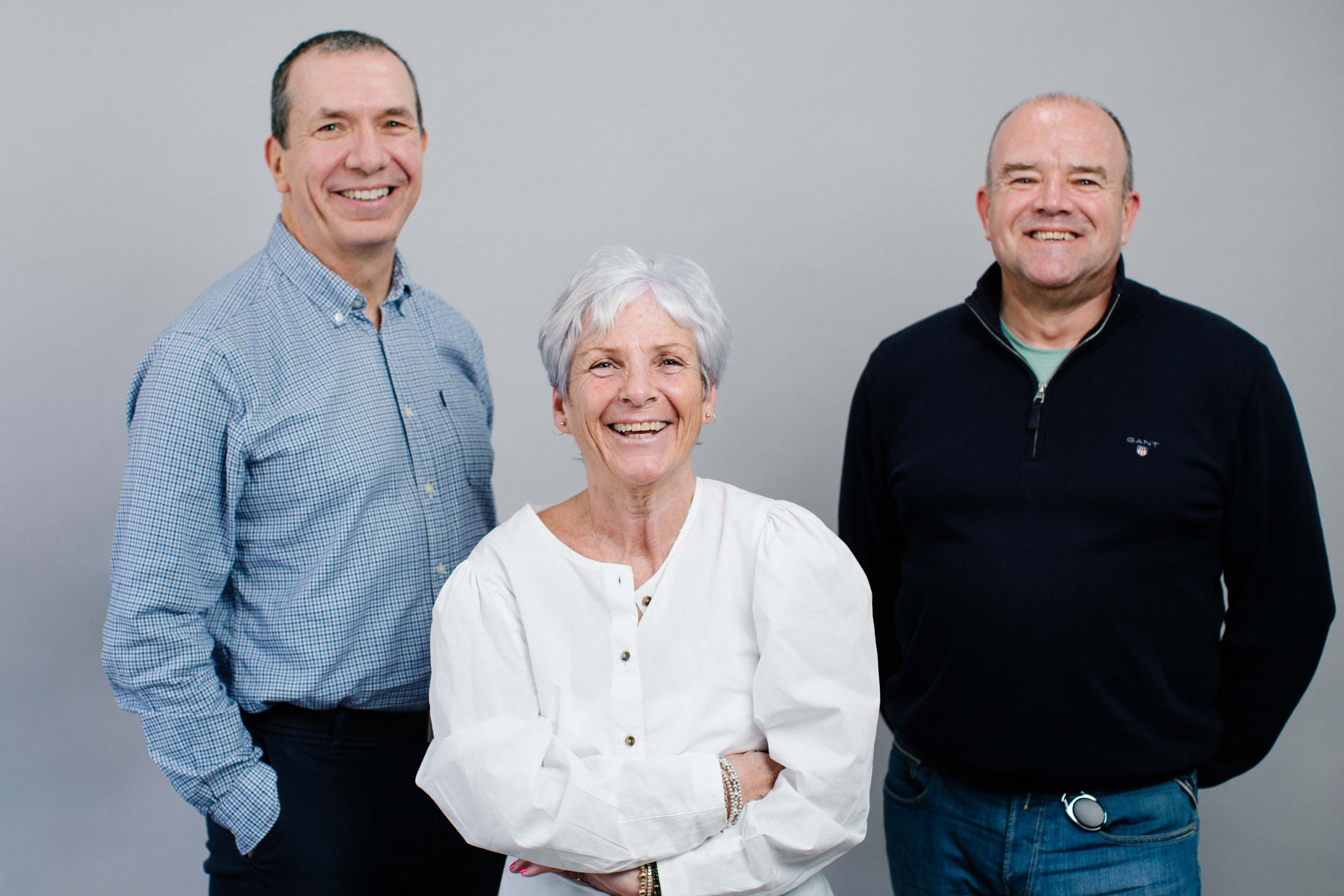
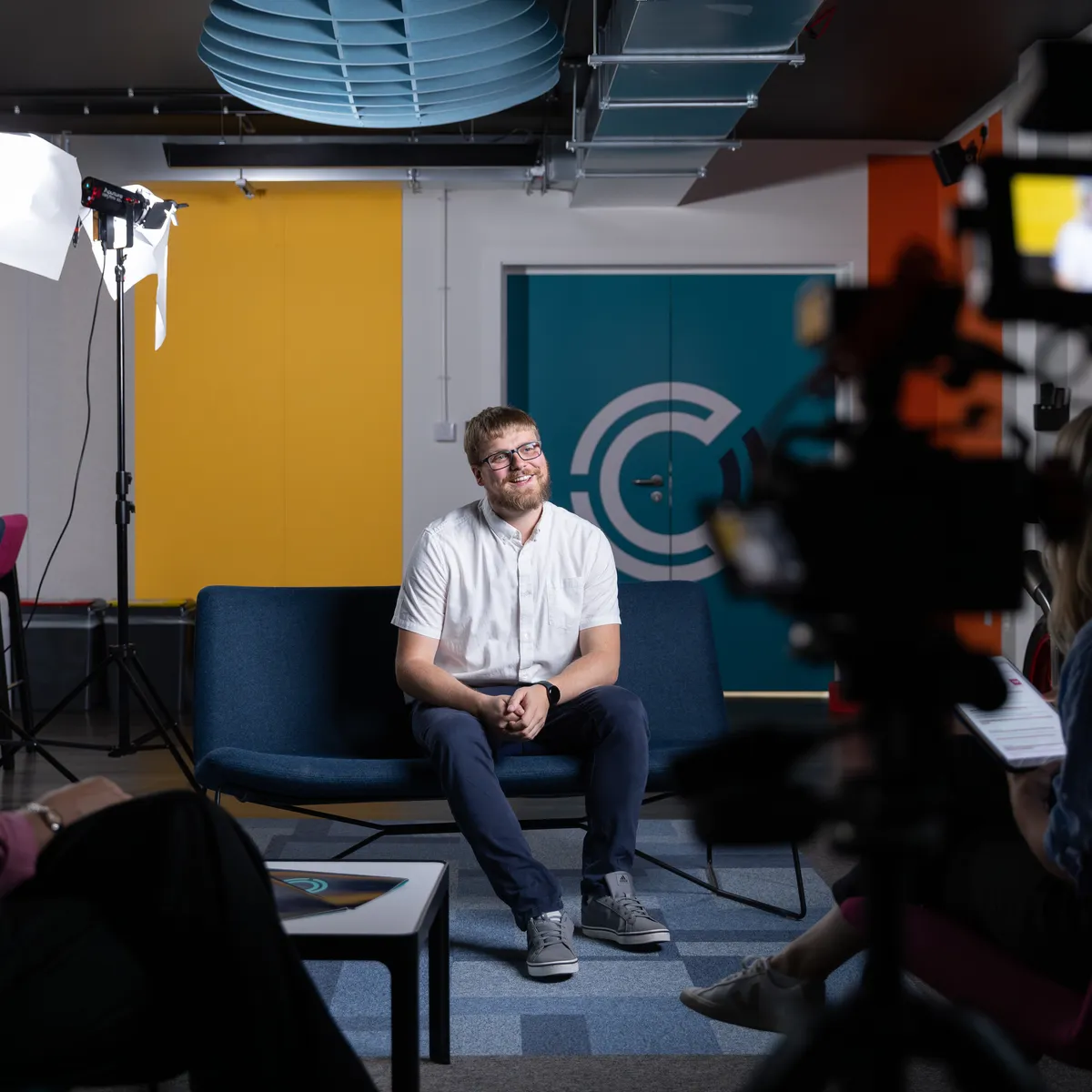
Our transformation expert Steve Delve and Jersey operations manager Alan Lesbirel with Randalls finance director Ruth Wainwright Picture: ROBBIE DARK (41845413) - Jersey Evening Post
“The purchasing, sales and accounts departments have probably seen the biggest impact so far,” she said. “It’s also been great for stocktaking, reducing a lot of the manual processes that had to be undertaken there.
“By reducing manual processes across the business, we have also given people more time to look at what they are doing and really focus on the quality of their work, as well as supporting greater co-operation and collaboration between departments, something which I think will also increase efficiency.”
And those efficiency gains, Ruth adds, would probably have been seen much later had it not been for the Better Business Grant, which is administered on behalf of the government by Jersey Business.
“Because we are an operational business, we probably wouldn’t have prioritised these system changes if it hadn’t been for the matched-funding opportunity offered by the grant,” she admitted. “But the process has been incredible because the way in which the grant application is structured really makes you think about the process you are going through, what should come first and how you should progress. The support from Jersey Business and Clarity has been superb, and their input helped us to adapt the project to maximise the benefits to the team and the business.”
And that, says Alan, sits at the heart of Clarity’s approach.
“We aren’t looking for a flash-in-the-pan approach,” he said. “We want to help businesses move away from vague goals and towards a framework of rigorous data and accountability. The Better Business Grant isn’t about nice-to-haves; it’s about real operational transformation that will deliver clear, measurable productivity gains, and that is what we want to help our clients to deliver.
“We have a long-term partnership with Randalls and that has helped us to ensure that the systems we are implementing now will just suit the company’s needs today but will support its long-term needs and goals.”
That, says Alan, is something other businesses should also consider when applying for a grant.
“Clarity has worked with many businesses which have applied for a grant and I think one of the key things to consider is how the funding will help you to boost your gross value added,” he said. “You also need to think about how the changes you implement will make your employees more valuable and you must start at the beginning. We have seen many businesses try to layer expensive AI and automation software on top of messy processes, which will minimise the effectiveness of these programmes.
“I would therefore recommend using the grant to digitise and structure your foundations. Before you automate, you have to organise to ensure that you have the ‘single source of truth’ which Ruth has already highlighted. And don’t forget the skills component. A new system is only as good as the people using it, so it is essential that you upskill your team, something which the Better Business Grant also supports.
“I would also recommend working with a specialist independent company which understands both the local landscape and the grant criteria. Clarity has extensive experience of working with businesses on their grant applications and can really help companies to quantify the increase in productivity versus the cost involved, as well as making sure that the project is ready for investment. Working in partnership on the grant applications, as well as on the subsequent implementation of the project, gives businesses a brilliant opportunity not just to transform their own operations but, through that increased productivity, to benefit the whole Island.”